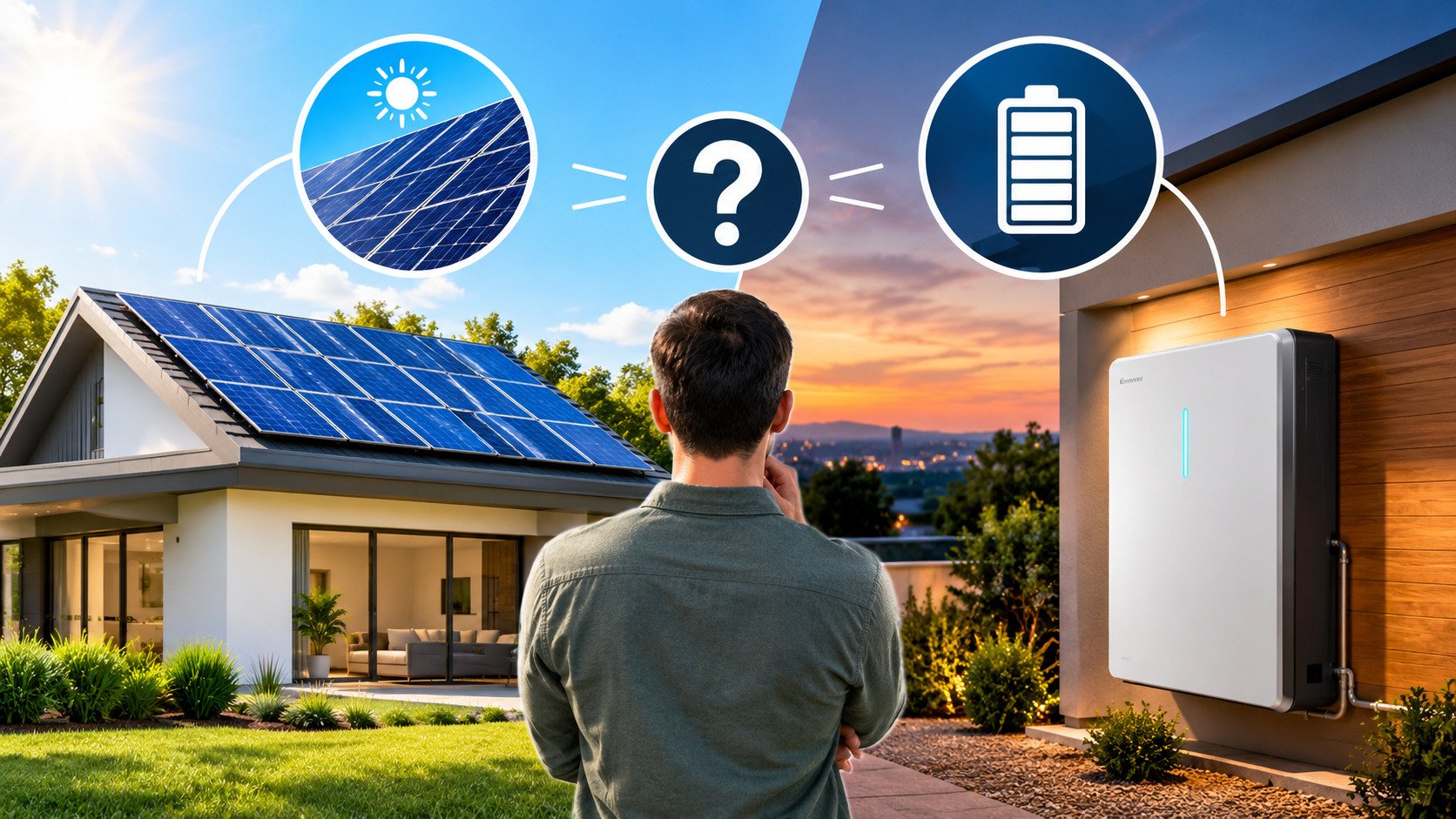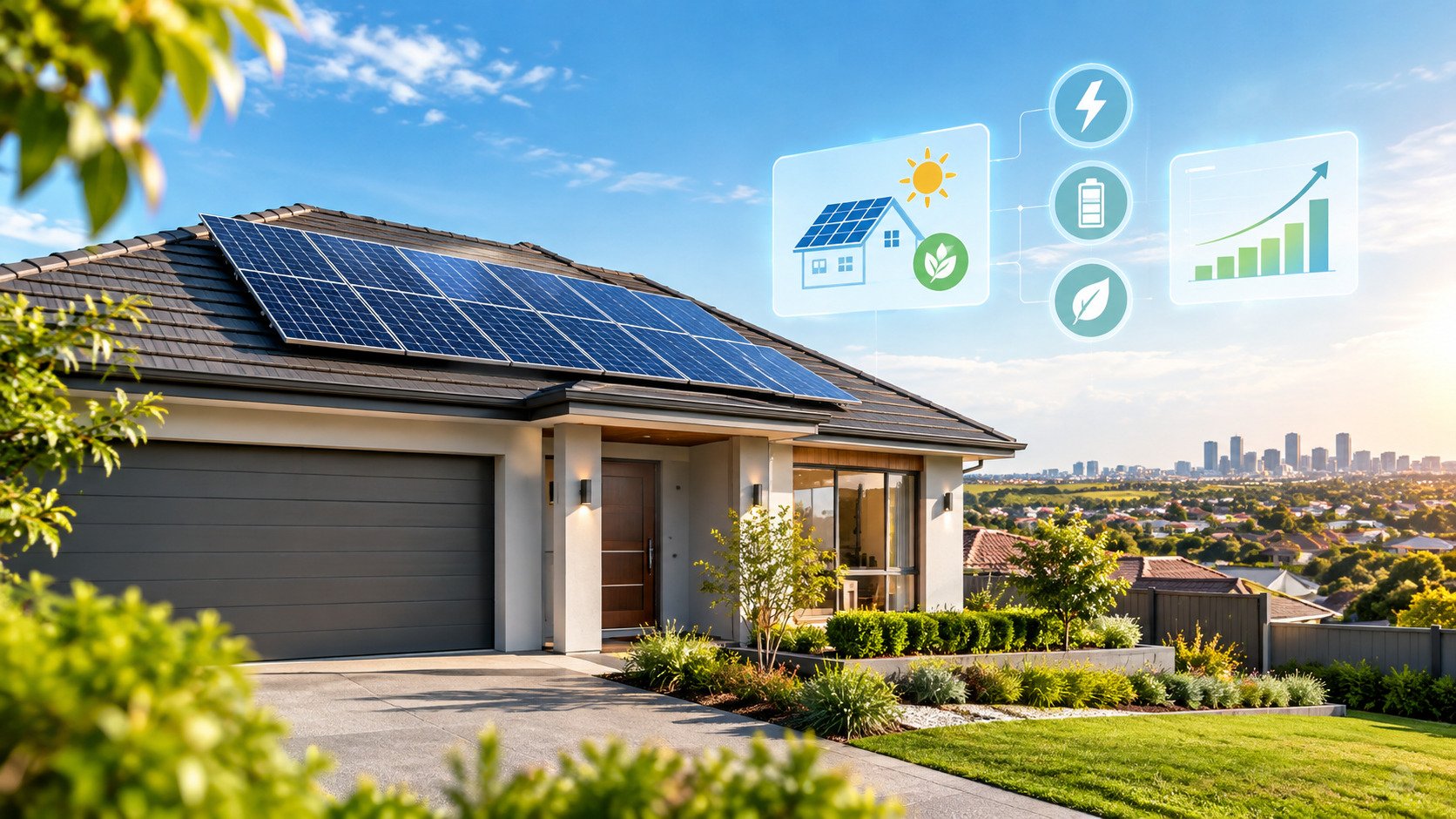
Imagine generating plenty of electricity from your rooftop during the day, only to rely on the electricity grid again when the sun goes down. This is a common situation for many Australian households with solar panels. While solar energy can help reduce electricity expenses, the real benefit comes from knowing how to use the energy your system generates.
For Melbourne homeowners, combining solar panels with smart energy habits and suitable battery storage can make a noticeable difference to household energy management. Understanding how solar storage works, when to use stored electricity and which system suits your home can help you make better decisions about your energy future.
Understanding How Residential Solar Systems Work
Before considering battery storage, it is important to understand how a home solar system operates.
Solar panels installed on your roof capture sunlight and convert it into direct current (DC) electricity. An inverter then converts this electricity into alternating current (AC), which powers everyday household appliances.
During daylight hours, your home uses the electricity generated by the panels. If your system produces more electricity than your household needs, the surplus can generally be exported to the electricity grid. Alternatively, with a compatible battery setup, excess energy can be stored for later use.
This is how modern Residential Solar Systems help homeowners generate their own electricity, manage consumption and reduce their reliance on grid power.
Why Is Solar Battery Storage Useful for Melbourne Homes?
One of the biggest challenges with solar energy is that electricity generation and household consumption do not always happen at the same time.
For example, your panels may generate the most electricity around midday, while your family uses more power in the evening for cooking, lighting, heating and entertainment.
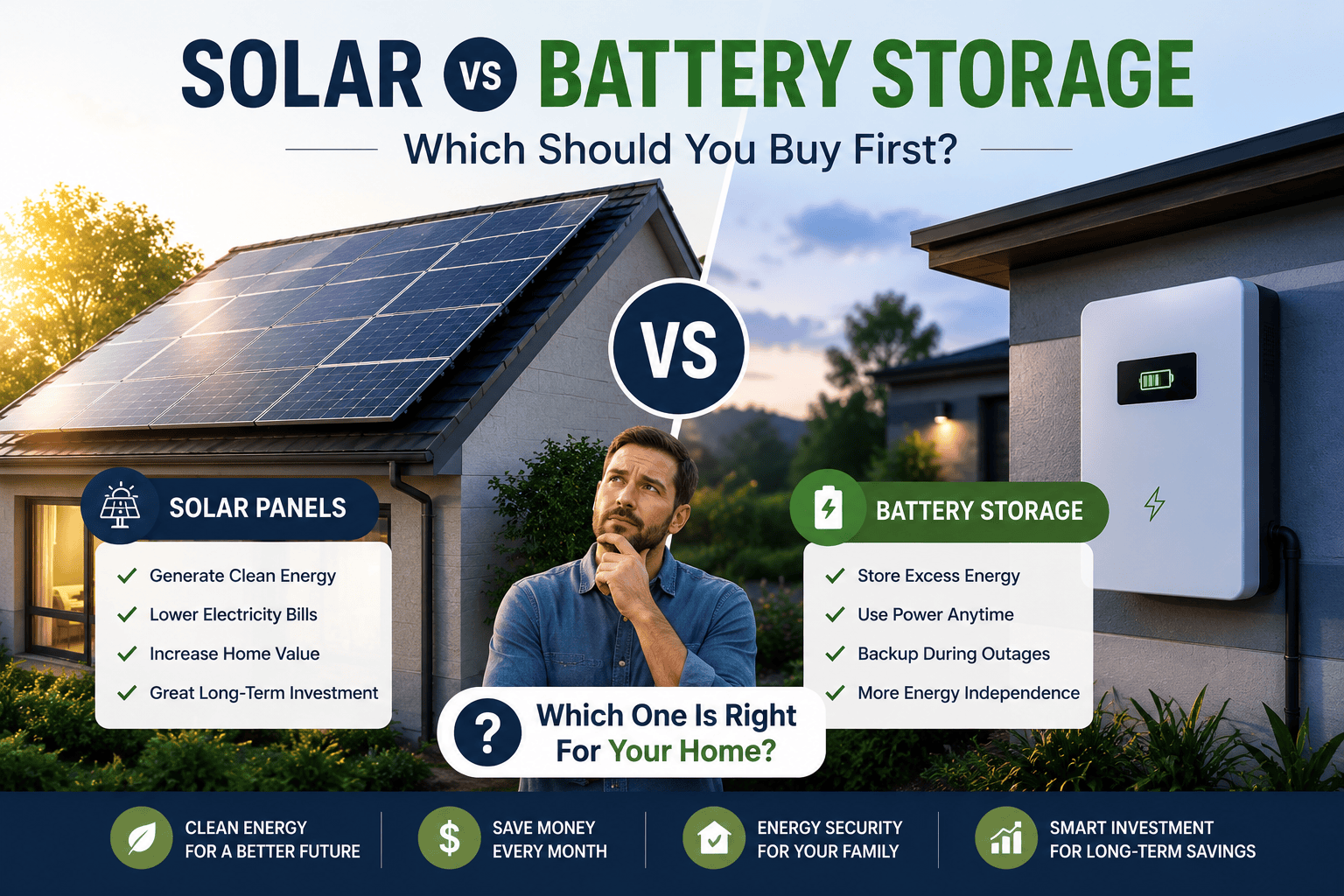
A solar battery helps address this difference by storing surplus electricity generated during the day. You can then use that stored energy when solar production decreases.
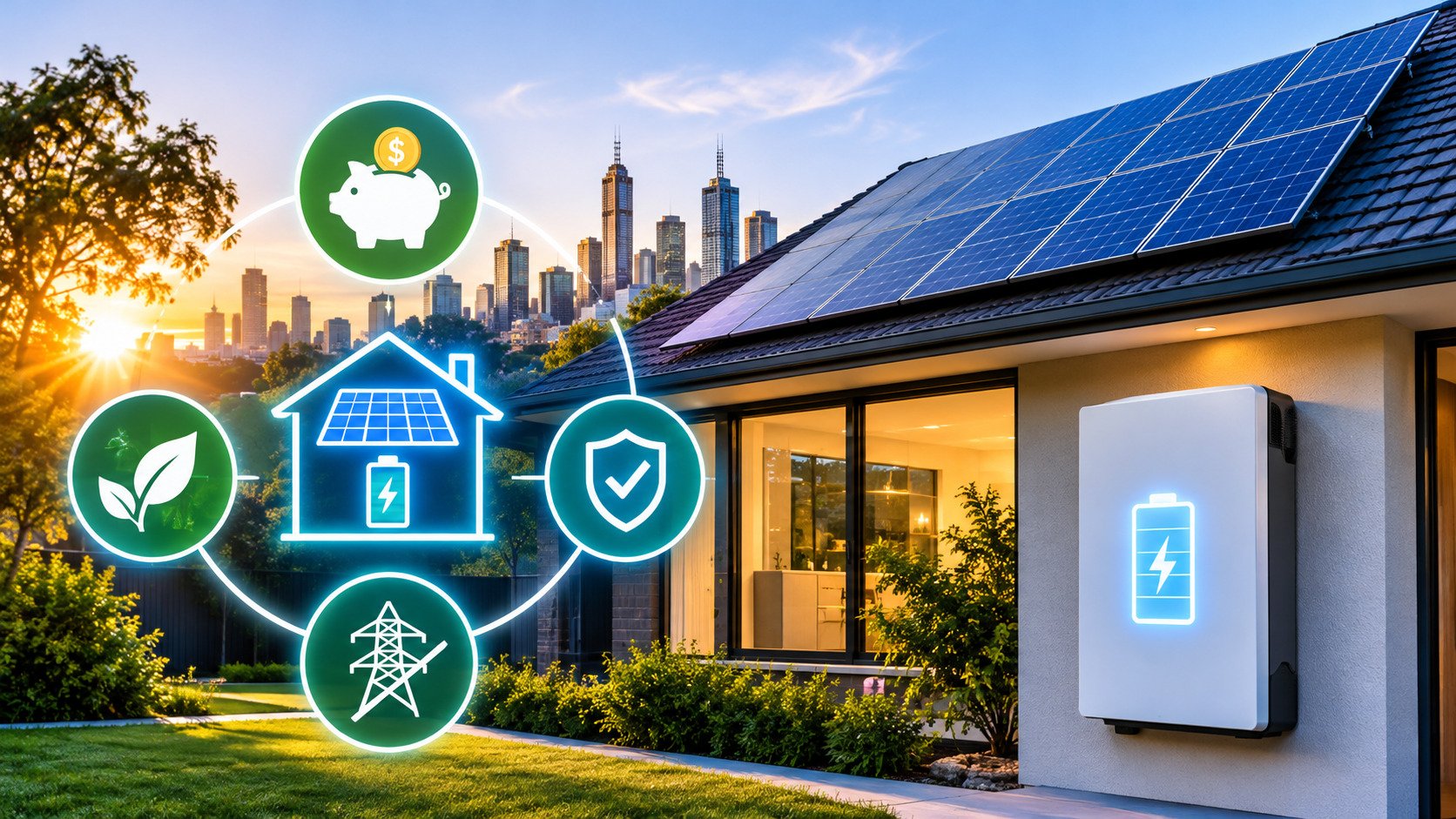
Some key advantages include:
- Better Solar Energy Usage: Store excess daytime electricity instead of exporting all of it to the grid.
- Reduced Grid Dependence: Use stored solar power during evening hours when your panels are not generating electricity.
- Potential Electricity Savings: Reduce the amount of electricity purchased from your retailer, depending on your usage and tariff.
- Backup Power Options: Certain battery systems can provide electricity during outages when installed with suitable backup functionality.
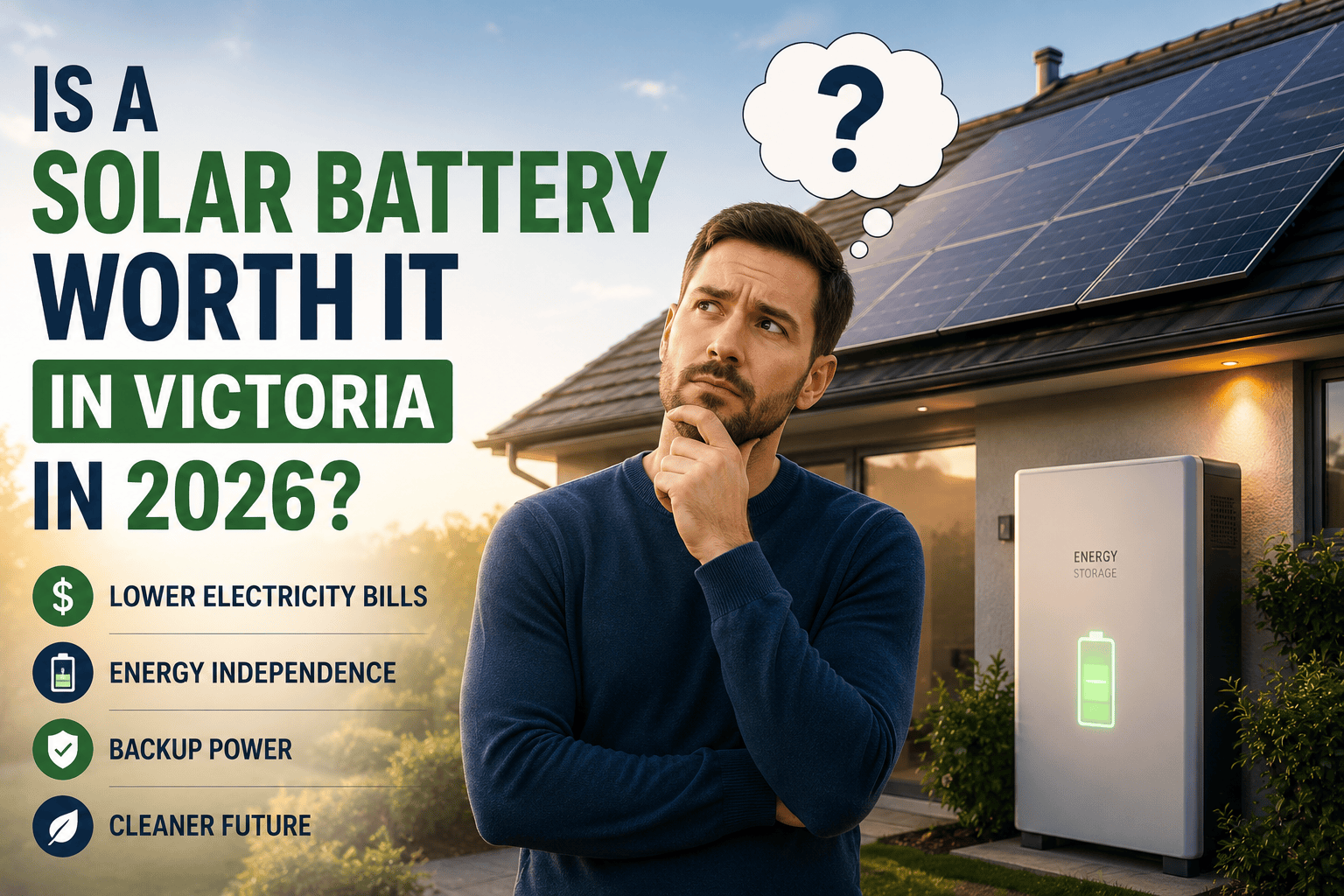
However, a battery is not automatically the best financial choice for every household. Its suitability depends on electricity consumption, installation costs, available tariffs and expected battery usage.
How to Make Better Use of Your Solar Energy
Installing solar panels is only one part of improving household energy efficiency. Your daily electricity habits also influence how much value you receive from your system.
Here are some practical ways to make better use of your solar generation.
1. Run Appliances During Daylight Hours
Whenever possible, operate energy-consuming appliances such as washing machines, dishwashers and dryers during periods of strong solar generation. This allows you to use more of your own electricity rather than purchasing it from the grid.
2. Manage Your Hot Water System
Heating water can consume a considerable amount of household electricity. If your hot water system supports scheduled operation, consider setting it to heat water during suitable daytime solar generation periods.
3. Charge Electric Vehicles During the Day
If you own an electric vehicle, charging it when your solar panels are generating electricity can help increase the use of your own solar energy.
4. Monitor Your Energy Consumption
Smart monitoring systems can help you understand when your home generates, consumes, stores and exports electricity. These insights make it easier to adjust your daily energy habits.
5. Consider Suitable Battery Storage
If your household regularly exports excess electricity during the day and purchases power in the evening, a solar battery may help you use more of your generated energy.
Small changes in daily habits, combined with the right technology, can improve how efficiently your household uses solar power.
Choosing the Right Solar Battery for Your Home
Not every household needs the same battery capacity. Choosing a suitable battery requires understanding your electricity consumption and when you use the most power.
Before making a decision, consider these important factors:
- Battery Capacity: Measured in kilowatt-hours (kWh), this indicates how much energy the battery can store.
- Usable Capacity: The amount of stored energy available for household use.
- Efficiency: Round-trip efficiency indicates how much energy remains available after charging and discharging.
- Warranty: Check the manufacturer’s warranty conditions and performance guarantees.
- Inverter Compatibility: Make sure the battery works with your existing or planned solar inverter.
- Backup Functionality: Check whether the system supports backup power and which household circuits it can supply.
A larger battery is not always better. The ideal choice should match your household’s evening electricity requirements, solar generation and budget.
What to Consider Before Residential Solar Installation in Melbourne
Choosing the right equipment is important, but the quality of the installation also plays a major role in long-term system performance.
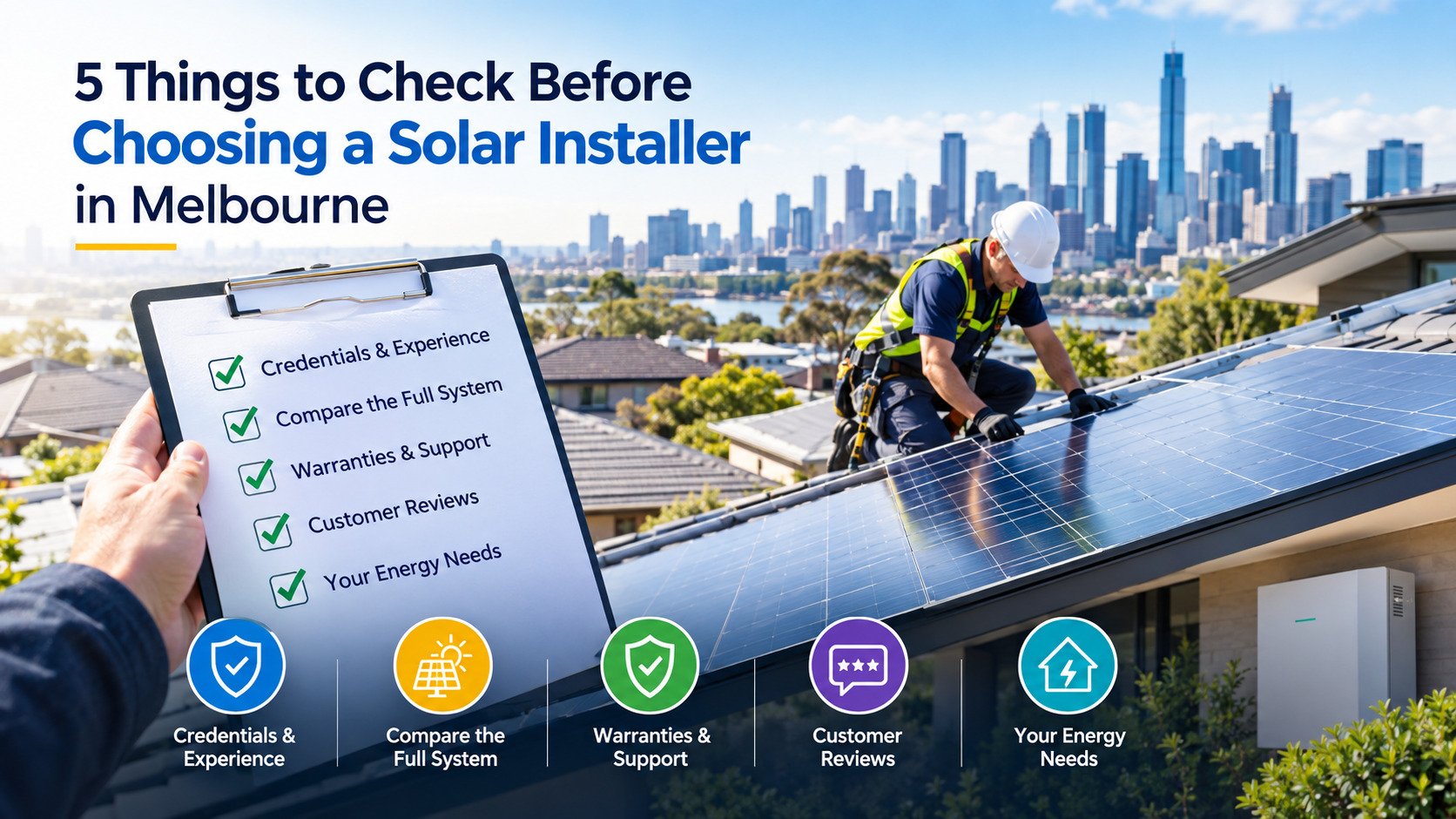
Before proceeding with a Residential Solar Installation, homeowners should consider several factors.
Roof Orientation and Shading: Roof direction, available space and surrounding trees or buildings can affect how much electricity your panels generate.
Household Energy Requirements: Review your electricity bills to understand your daily consumption and identify opportunities to use solar power more effectively.
System Size: Solar capacity should be selected according to your electricity needs, roof suitability and available budget.
Equipment Quality: Compare solar panel and inverter specifications, product warranties and expected performance rather than choosing equipment based only on price.
Installer Credentials: Check relevant electrical licences, installer qualifications, industry credentials and installation standards.
After-Sales Support: Ask about workmanship warranties, maintenance requirements and who to contact if your system develops a problem.
Taking time to assess these details can help you avoid unsuitable system designs and make a more informed investment.
Is Adding a Battery to Your Existing Solar System Worth It?
If you already have rooftop solar panels, you may not need to replace your entire system to benefit from battery storage.
Many existing installations can be upgraded with a compatible battery. Depending on your current setup, an AC-coupled or DC-coupled battery solution may be suitable.
However, several things should be checked before upgrading:
- Whether your existing inverter supports battery integration.
- Whether a separate battery inverter is required.
- Whether your current solar system generates enough surplus electricity.
- How much electricity your household uses after sunset.
- The total installation cost compared with potential savings.
A professional assessment can help determine whether adding a battery is a practical option for your property.
Why Choose Suntech Synergy for Residential Solar Solutions?
At Suntech Synergy, we understand that every household has different energy requirements. As a Clean Energy Council Approved Solar Retailer based in Point Cook, Melbourne, we provide tailored solar solutions for residential properties across Melbourne and Victoria.
Our services include solar panel installation, residential solar systems and battery storage solutions. We focus on quality products, suitable system recommendations, professional installation and dependable after-sales support to help homeowners move towards smarter energy use.
Frequently Asked Questions
1. Can I use solar energy at night with a residential solar battery?
Yes. Solar panels do not generate electricity at night, but a compatible battery can store excess electricity produced during the day. Your household can then use that stored energy during evening and night-time hours, depending on the available battery capacity.
2. How much solar battery storage does a Melbourne home need?
The required battery capacity depends on your household’s daily electricity consumption, evening energy usage, solar generation and budget. Reviewing your electricity bills and consulting a qualified installer can help you select an appropriate battery size.
3. Can I add battery storage to my existing residential solar system?
Yes, many existing solar installations can be upgraded with battery storage. However, compatibility depends on your inverter, electrical configuration and battery technology. A professional assessment is recommended before choosing an upgrade.
Make Better Use of Solar Energy with Suntech Synergy
Making better use of solar energy starts with choosing the right system, understanding your household consumption and managing electricity wisely. Whether you are planning a new installation or considering battery storage, Suntech Synergy can help you explore suitable solutions. If you’re looking for Residential solar panels Melbourne, contact our team to discuss residential solar options designed around your home’s energy needs.