Imagine generating plenty of electricity from your rooftop during the day, only to rely on the electricity grid again when the sun goes down. This is a common situation for many Australian households with solar panels. While solar energy can help reduce electricity expenses, the real benefit comes from knowing how to use the energy your system generates.

For Melbourne homeowners, combining solar panels with smart energy habits and suitable battery storage can make a noticeable difference to household energy management. Understanding how solar storage works, when to use stored electricity and which system suits your home can help you make better decisions about your energy future.

Understanding How Residential Solar Systems Work

Before considering battery storage, it is important to understand how a home solar system operates.

Solar panels installed on your roof capture sunlight and convert it into direct current (DC) electricity. An inverter then converts this electricity into alternating current (AC), which powers everyday household appliances.

During daylight hours, your home uses the electricity generated by the panels. If your system produces more electricity than your household needs, the surplus can generally be exported to the electricity grid. Alternatively, with a compatible battery setup, excess energy can be stored for later use.

This is how modern Residential Solar Systems help homeowners generate their own electricity, manage consumption and reduce their reliance on grid power.

Why Is Solar Battery Storage Useful for Melbourne Homes?

One of the biggest challenges with solar energy is that electricity generation and household consumption do not always happen at the same time.

For example, your panels may generate the most electricity around midday, while your family uses more power in the evening for cooking, lighting, heating and entertainment.

A solar battery helps address this difference by storing surplus electricity generated during the day. You can then use that stored energy when solar production decreases.

Some key advantages include:

  • Better Solar Energy Usage: Store excess daytime electricity instead of exporting all of it to the grid.
  • Reduced Grid Dependence: Use stored solar power during evening hours when your panels are not generating electricity.
  • Potential Electricity Savings: Reduce the amount of electricity purchased from your retailer, depending on your usage and tariff.
  • Backup Power Options: Certain battery systems can provide electricity during outages when installed with suitable backup functionality.

However, a battery is not automatically the best financial choice for every household. Its suitability depends on electricity consumption, installation costs, available tariffs and expected battery usage.

How to Make Better Use of Your Solar Energy

Installing solar panels is only one part of improving household energy efficiency. Your daily electricity habits also influence how much value you receive from your system.

Here are some practical ways to make better use of your solar generation.

1. Run Appliances During Daylight Hours

Whenever possible, operate energy-consuming appliances such as washing machines, dishwashers and dryers during periods of strong solar generation. This allows you to use more of your own electricity rather than purchasing it from the grid.

2. Manage Your Hot Water System

Heating water can consume a considerable amount of household electricity. If your hot water system supports scheduled operation, consider setting it to heat water during suitable daytime solar generation periods.

3. Charge Electric Vehicles During the Day

If you own an electric vehicle, charging it when your solar panels are generating electricity can help increase the use of your own solar energy.

4. Monitor Your Energy Consumption

Smart monitoring systems can help you understand when your home generates, consumes, stores and exports electricity. These insights make it easier to adjust your daily energy habits.

5. Consider Suitable Battery Storage

If your household regularly exports excess electricity during the day and purchases power in the evening, a solar battery may help you use more of your generated energy.

Small changes in daily habits, combined with the right technology, can improve how efficiently your household uses solar power.

Choosing the Right Solar Battery for Your Home

Not every household needs the same battery capacity. Choosing a suitable battery requires understanding your electricity consumption and when you use the most power.

Before making a decision, consider these important factors:

  • Battery Capacity: Measured in kilowatt-hours (kWh), this indicates how much energy the battery can store.
  • Usable Capacity: The amount of stored energy available for household use.
  • Efficiency: Round-trip efficiency indicates how much energy remains available after charging and discharging.
  • Warranty: Check the manufacturer’s warranty conditions and performance guarantees.
  • Inverter Compatibility: Make sure the battery works with your existing or planned solar inverter.
  • Backup Functionality: Check whether the system supports backup power and which household circuits it can supply.

A larger battery is not always better. The ideal choice should match your household’s evening electricity requirements, solar generation and budget.

What to Consider Before Residential Solar Installation in Melbourne

Choosing the right equipment is important, but the quality of the installation also plays a major role in long-term system performance.

Before proceeding with a Residential Solar Installation, homeowners should consider several factors.

Roof Orientation and Shading: Roof direction, available space and surrounding trees or buildings can affect how much electricity your panels generate.

Household Energy Requirements: Review your electricity bills to understand your daily consumption and identify opportunities to use solar power more effectively.

System Size: Solar capacity should be selected according to your electricity needs, roof suitability and available budget.

Equipment Quality: Compare solar panel and inverter specifications, product warranties and expected performance rather than choosing equipment based only on price.

Installer Credentials: Check relevant electrical licences, installer qualifications, industry credentials and installation standards.

After-Sales Support: Ask about workmanship warranties, maintenance requirements and who to contact if your system develops a problem.

Taking time to assess these details can help you avoid unsuitable system designs and make a more informed investment.

Is Adding a Battery to Your Existing Solar System Worth It?

If you already have rooftop solar panels, you may not need to replace your entire system to benefit from battery storage.

Many existing installations can be upgraded with a compatible battery. Depending on your current setup, an AC-coupled or DC-coupled battery solution may be suitable.

However, several things should be checked before upgrading:

  • Whether your existing inverter supports battery integration.
  • Whether a separate battery inverter is required.
  • Whether your current solar system generates enough surplus electricity.
  • How much electricity your household uses after sunset.
  • The total installation cost compared with potential savings.

A professional assessment can help determine whether adding a battery is a practical option for your property.

Why Choose Suntech Synergy for Residential Solar Solutions?

At Suntech Synergy, we understand that every household has different energy requirements. As a Clean Energy Council Approved Solar Retailer based in Point Cook, Melbourne, we provide tailored solar solutions for residential properties across Melbourne and Victoria.

Our services include solar panel installation, residential solar systems and battery storage solutions. We focus on quality products, suitable system recommendations, professional installation and dependable after-sales support to help homeowners move towards smarter energy use.

Frequently Asked Questions

1. Can I use solar energy at night with a residential solar battery?

Yes. Solar panels do not generate electricity at night, but a compatible battery can store excess electricity produced during the day. Your household can then use that stored energy during evening and night-time hours, depending on the available battery capacity.

2. How much solar battery storage does a Melbourne home need?

The required battery capacity depends on your household’s daily electricity consumption, evening energy usage, solar generation and budget. Reviewing your electricity bills and consulting a qualified installer can help you select an appropriate battery size.

3. Can I add battery storage to my existing residential solar system?

Yes, many existing solar installations can be upgraded with battery storage. However, compatibility depends on your inverter, electrical configuration and battery technology. A professional assessment is recommended before choosing an upgrade.

Make Better Use of Solar Energy with Suntech Synergy

Making better use of solar energy starts with choosing the right system, understanding your household consumption and managing electricity wisely. Whether you are planning a new installation or considering battery storage, Suntech Synergy can help you explore suitable solutions. If you’re looking for Residential solar panels Melbourne, contact our team to discuss residential solar options designed around your home’s energy needs.
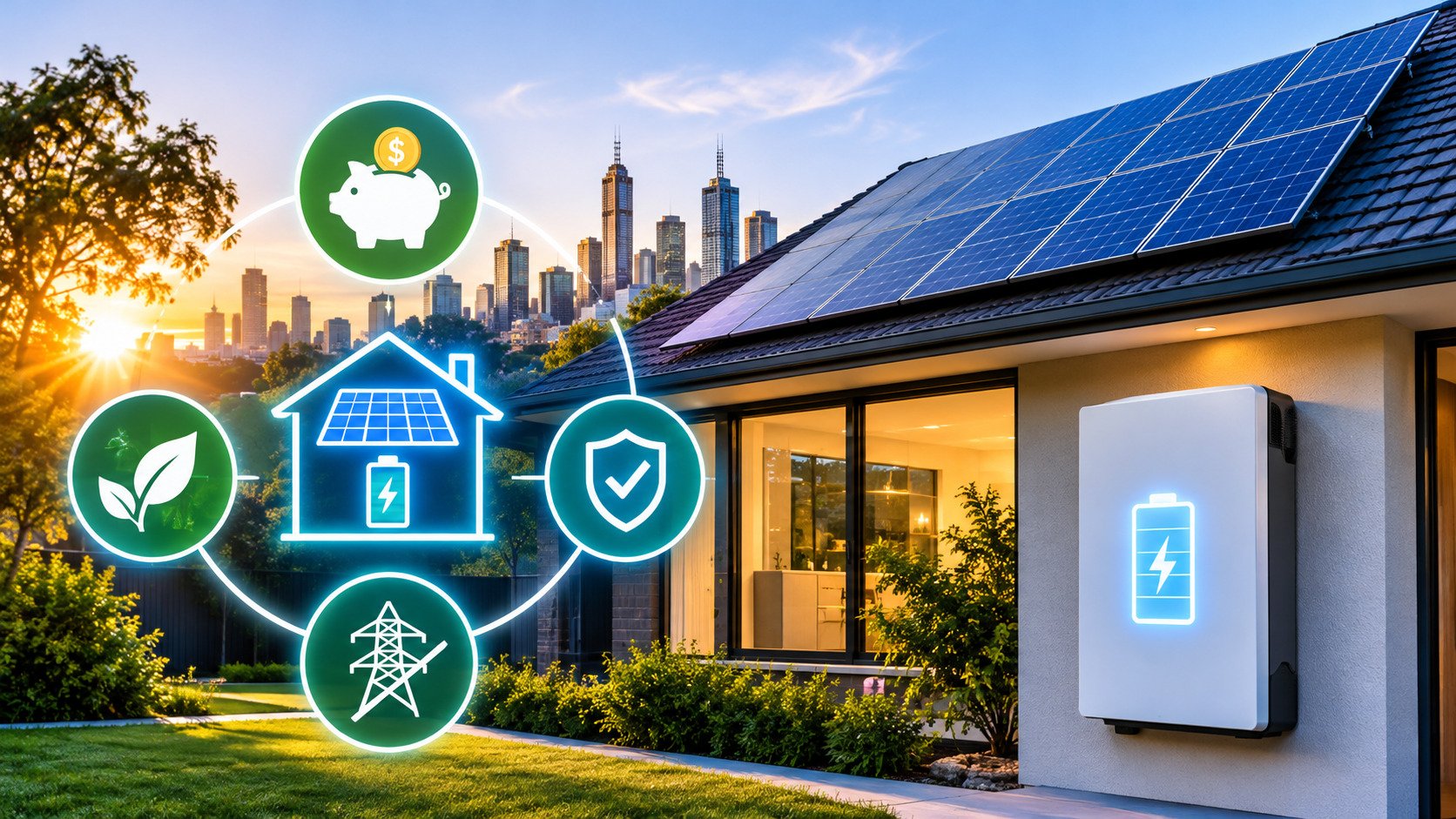
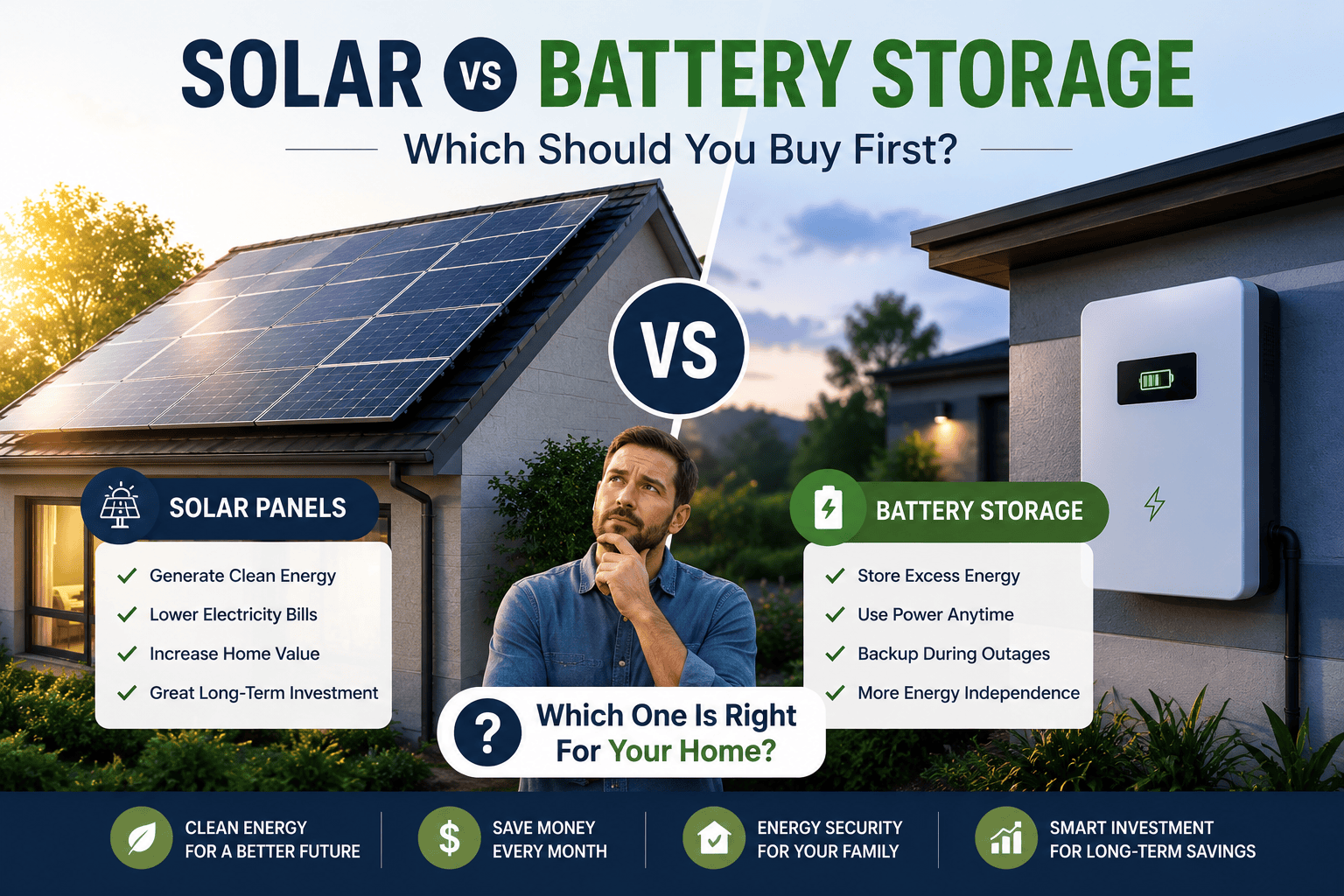
Imagine generating your own electricity during the day but still relying heavily on the grid when the sun goes down. Now imagine having a battery that stores your excess solar energy for use in the evening. Both options sound appealing, but which one should you invest in first?

Choosing between solar panels and battery storage can be confusing, especially when you want to reduce electricity costs without spending more than necessary. The right decision depends on your current energy setup, electricity consumption, budget and long-term goals.

For most Australian households without an existing solar system, installing solar panels first is often the most practical starting point. However, if you already have solar panels, adding a battery could help you make better use of the electricity you generate. Let’s explore how both options work and how to decide which is right for your property.

1. Solar Panels vs. Battery Storage: Understanding the Difference

Solar panels and battery storage serve different purposes, but they work together to help you use renewable electricity more effectively.

Solar panels capture sunlight and convert it into electricity that can power your home’s appliances or business equipment. When your system generates more electricity than you need, the surplus may be exported to the electricity grid or stored in a compatible battery.

A solar battery, on the other hand, stores electricity for later use. This means you may be able to use excess solar energy during the evening, when your panels are no longer generating electricity.

The key difference is simple: solar panels generate electricity, while batteries store electricity for future use.

Understanding this distinction makes it easier to decide which investment should come first.

2. How Do Solar Panels Work?

Solar panels generate electricity by converting sunlight into electrical energy. An inverter then converts the generated electricity into a form suitable for use by your property’s electrical appliances.

During sunny hours, your solar system can help power lighting, refrigerators, air conditioners, computers and other equipment. If your panels generate more electricity than your property consumes, the excess energy can potentially be exported to the grid or stored in a battery.

The amount of electricity your system produces depends on several factors, including roof orientation, shading, panel capacity, weather conditions and system design.

For households and businesses that consume substantial electricity during daylight hours, solar panels can be particularly useful because the generated electricity can be used directly.

Installing a suitably sized system is therefore an important first step towards making better use of solar energy.

3. How Does Solar Battery Storage Work?

Solar battery storage allows you to keep some of the excess electricity generated by your solar panels and use it when your system is producing less power.

For example, your panels might generate more electricity than your household needs during the afternoon. Instead of exporting all the surplus electricity to the grid, a compatible battery can store some of it for use later.

This can be especially useful in the evening when household activities increase electricity consumption.

Modern Solar Battery Storage Systems can help households improve their use of self-generated electricity. However, the actual benefits depend on battery capacity, system efficiency, electricity tariffs and how much stored energy you use.

Before choosing a battery, consider your evening electricity consumption, existing solar system and future energy requirements. A battery that is too small may not meet your needs, while an oversized system may cost more than necessary.

It is also important to understand that battery storage does not automatically provide backup power during a blackout. Suitable backup equipment and an appropriate system configuration may be required.

4. Why Should You Usually Install Solar Panels First?

If your property does not have solar panels, starting with solar installation is often a sensible approach.

The main reason is that a battery needs an electricity source to charge. Solar panels can provide that source by generating electricity from sunlight.

Here are several reasons why installing solar panels first may make sense.

Reduce daytime grid electricity consumption: Your property can use the electricity generated by your panels instead of purchasing the same amount from the grid, depending on your consumption and solar production.

Create opportunities for future battery storage: You can evaluate your energy usage after installing solar panels and decide whether adding a battery would offer worthwhile benefits.

Make use of available roof space: A well-designed solar system can be planned around your property’s energy requirements and suitable installation area.

Understand your actual energy needs: Monitoring your electricity consumption can help you make a more informed decision about battery capacity later.

However, installing solar panels first does not mean every household should delay battery storage indefinitely. If you have specific backup requirements or a suitable existing system, a different approach may be appropriate.

The goal is to invest in a system that matches your needs rather than paying for equipment that provides limited practical value.

5. When Should You Choose Battery Storage First?

Battery storage may be the logical next investment if you already have solar panels installed.

Many households generate excess electricity during the day but consume more power in the evening. A battery can help bridge this gap by storing surplus solar energy for later use.

Battery storage may be worth investigating if:

  • Your existing solar system regularly exports surplus electricity.
  • Your household uses substantial electricity after sunset.
  • You want to increase the proportion of your electricity consumption supplied by your own solar generation.
  • You have suitable space and equipment for a compatible battery installation.
  • You want backup power and are prepared to install the additional equipment required.

Before proceeding, compare the cost of battery installation with the potential value of the electricity you could use from storage.

Your electricity tariff, solar export rate, battery efficiency and usage patterns all influence the financial outcome.

Exploring suitable Solar Battery Storage Solutions can help you identify an option that fits your existing system and energy goals.

Remember that a battery is not automatically the best investment simply because your solar panels export electricity. The potential savings should justify the additional cost.

6. Residential vs. Commercial Solar: Which Should Come First?

The best investment order can differ between homes and businesses because their electricity consumption patterns are often different.

Residential Solar Systems

For most households without an existing solar system, solar panels are a practical starting point.

Consider when your family uses the most electricity, whether someone is home during the day and how much power you typically consume after sunset.

If your household uses most of its electricity during daylight hours, solar panels alone may meet a substantial portion of your demand. If evening consumption is higher, adding a battery may improve the usefulness of your solar generation.

The decision should be based on your actual consumption rather than simply choosing the largest available system.

Commercial Solar Installation

Businesses often have different energy requirements from residential properties.

Offices, warehouses, retail stores and other commercial premises may consume substantial electricity during operating hours. This can make daytime solar generation particularly valuable.

A carefully planned Commercial Solar Installation can help businesses use solar electricity directly to support their daily operations.

However, businesses operating late into the evening or requiring electricity outside normal solar generation hours may also benefit from evaluating battery storage.

Effective Commercial Solar Solutions should consider operating hours, equipment loads, available roof space, electricity tariffs and future business expansion.

For commercial properties, the most suitable option depends on the relationship between electricity demand, solar generation and the cost of storing unused energy.

7. Cost, Savings and Payback: What Should You Consider?

The upfront cost of solar panels and battery storage can vary considerably depending on system size, equipment, installation complexity and property requirements.

Instead of comparing purchase prices alone, consider the potential long-term value of each investment.

Start by reviewing your electricity bills to understand how much electricity you use and when you use it. This information can help determine whether daytime solar generation or evening battery storage would provide greater value.

You should also consider:

  • Installation costs: Compare the total installed cost of each option.
  • Electricity tariffs: Understand the rates you pay for imported electricity and receive for exported solar power.
  • Energy consumption: Identify whether your main electricity demand occurs during the day or evening.
  • System efficiency: Account for energy losses when storing and discharging electricity.
  • Maintenance and warranties: Review equipment warranties, operating requirements and expected service life.
  • Available incentives: Check current government rebates and eligibility requirements before making financial projections.

For some households, solar panels may provide a more attractive initial investment. For others with existing solar systems and suitable electricity tariffs, battery storage may offer additional value.

Avoid assuming that a battery will automatically eliminate electricity bills. Grid charges, energy consumption and periods of low solar generation can still affect your costs.

A realistic assessment should compare the total investment with the expected savings over the system’s useful life.

8. Can You Install Solar Panels and Battery Storage Together?

Yes. Solar panels and battery storage can be installed as part of an integrated energy system.

Planning both together may help you select compatible equipment and consider your future energy requirements from the beginning.

For example, a household planning to purchase an electric vehicle or increase its electricity consumption may want to consider future charging and storage requirements when designing its solar system.

Installing both technologies together can also simplify some aspects of system planning, although the overall cost and installation requirements will depend on the property and equipment selected.

If you already have solar panels, adding a battery may also be possible. However, inverter compatibility, electrical requirements and the existing system configuration must be assessed before installation.

The most suitable approach is to choose equipment that meets your current needs while allowing for realistic future upgrades.

9. How to Decide Which Option Is Right for You

Before investing, ask yourself these five questions:

1. Do I already have solar panels?

If not, solar panels are often the best starting point. If you already have them, evaluate whether a battery could improve your energy usage.

2. When do I consume the most electricity?

High daytime consumption may favour solar panels, while substantial evening consumption may make battery storage worth investigating.

3. What is my budget?

Compare the cost and expected benefits of each option before committing to an investment.

4. Do I need backup power?

If keeping selected appliances running during a blackout is important, investigate a battery system with suitable backup functionality.

5. What are my long-term energy plans?

Consider future changes such as working from home, purchasing an electric vehicle or expanding your business.

Answering these questions can help you avoid unnecessary expenditure and choose a system that better matches your requirements.

Conclusion: Make the Right Solar Investment for Your Property

For most Australian properties without an existing solar system, solar panels are a sensible first step because they generate electricity that can be used directly. Battery storage can become a valuable addition when storing excess electricity for later use makes financial and practical sense.

The best decision ultimately depends on your energy consumption, budget, property characteristics and future goals. Comparing these factors before investing can help you build a more effective and reliable solar energy system.

If you are considering solar for your home or business, Suntech Synergy can help you explore suitable options for your property. Speak with experienced Solar Installers Melbourne to assess your energy requirements and determine whether solar panels, battery storage or a combination of both is the right fit for your needs.

Imagine your solar panels generating plenty of electricity during the day, but your household still needs power from the grid after sunset. This is a common situation for homeowners who are away during daylight hours and use most of their electricity in the evening. A home battery can help bridge that gap by storing surplus solar energy for later use.

For homeowners considering solar battery storage in Victoria, understanding the costs, benefits and installation requirements is essential before making an investment. The right system can help you make better use of your solar generation, but its value depends on your household’s energy habits, electricity tariff and budget.

What Is Solar Battery Storage and How Does It Work?

Solar battery storage allows you to store electricity generated by your solar panels instead of immediately exporting all surplus energy to the grid. When your panels produce more electricity than your home needs, the excess can charge a compatible battery.

Later, when solar generation decreases, stored electricity can power selected household appliances. This can reduce the amount of electricity you need to purchase from your retailer.

Modern Solar Battery Storage Systems typically include a battery, compatible inverter equipment and monitoring technology. Some systems can also provide backup power during an outage, provided they have the necessary backup functionality and installation configuration.

However, not every battery installation automatically supplies electricity during blackouts. Homeowners should discuss backup requirements with their installer before selecting a system.

Key Benefits of Solar Battery Storage in Victoria

1. Make Better Use of Your Solar Electricity

Without a battery, surplus electricity may be exported to the grid when household demand is low. A battery can store some of that energy for use later, helping you increase your consumption of self-generated solar power.

This can be particularly useful for households that generate electricity during the day but use more power in the evening.

2. Reduce Reliance on Grid Electricity

Using stored solar energy after sunset may reduce the amount of electricity purchased from the grid. The potential benefit depends on your battery size, energy consumption, electricity prices and how consistently the battery receives sufficient solar energy.

A battery does not eliminate electricity bills in every situation, but a well-matched system can improve how your household uses its solar generation.

3. Consider Backup Power During Outages

Some battery systems can provide electricity to essential appliances during a power outage. Depending on the system design, these may include lighting, refrigeration and selected household devices.

If backup power is important to your family, ask whether the system supports backup operation, which circuits can be supplied and how long the battery may last under your expected load.

4. Support Changing Household Energy Needs

Your electricity consumption may increase over time if you purchase an electric vehicle, add appliances or expand your home. Choosing an appropriately designed storage system can help you plan for these changes.

However, future requirements should be considered alongside installation costs rather than automatically choosing the largest available battery.

How Much Does Solar Battery Storage Cost in Victoria?

The cost of installing a solar battery varies depending on its capacity, brand, usable energy, inverter compatibility and installation requirements. Additional electrical work, switchboard upgrades or backup configurations can also affect the final price.

As a general guide, smaller batteries usually cost less than larger systems, but the cheapest option is not necessarily the best value. Compare the total installed price, usable capacity, warranty conditions and expected performance before making a decision.

You should also consider the financial benefits carefully. Potential savings depend on your electricity tariff, feed-in rate, daytime energy consumption and how much stored electricity you use instead of purchasing power from the grid.

Victorian homeowners should check current government incentives and eligibility conditions before including any rebate in their calculations. Program availability and requirements can change.

How to Choose the Right Solar Battery for Your Home

Choosing suitable Solar Battery Storage Solutions starts with understanding how much electricity your household uses and when you need it.

Consider these factors before purchasing:

  • Daily electricity consumption: Review recent electricity bills to understand your typical usage.
  • Usable battery capacity: Choose a capacity that reflects your evening energy requirements and expected solar surplus.
  • Power output: Check whether the battery can operate the appliances you want to run simultaneously.
  • Compatibility: Confirm that the battery works with your existing or planned solar inverter.
  • Warranty and lifespan: Review the warranty period, energy-throughput limits and applicable performance conditions.
  • Future needs: Consider whether you may add an electric vehicle charger or more appliances.

A professional assessment can help you avoid buying a battery that is too small for your needs or unnecessarily large for your household.

Solar Panel Battery Storage in Victoria: Installation Considerations

Before installing a battery, your property should be assessed to determine whether the existing solar system is suitable. The installer may need to check the inverter, electrical switchboard, available installation space and system configuration.

For homeowners researching Solar Panel Battery Storage in Victoria, it is important to understand that adding a battery to an existing solar system may require different equipment from installing a battery alongside a new solar system.

The installation should meet applicable electrical safety requirements and manufacturer specifications. Your installer should explain the expected system operation, monitoring options, warranty coverage and any grid-connection requirements.

Ask for an itemised quotation that clearly identifies the battery model, usable capacity, installation charges and any additional work. This makes it easier to compare proposals from different providers.

What Should Melbourne Homeowners Consider?

Local conditions and household routines can influence how effectively a battery performs. Seasonal changes affect solar generation, while heating, cooling and other appliances can increase electricity demand at different times of the year.

When comparing Solar Storage Systems in Melbourne, consider your roof’s solar generation, daily electricity usage and the times when your household relies most heavily on grid power.

It is also worth reviewing your electricity plan. Feed-in tariffs and usage rates can affect whether storing surplus energy offers better value than exporting it. A battery assessment should consider these factors alongside the upfront installation cost.

How to Choose a Reliable Solar Battery Provider

Choosing the right installer is an important part of your investment. Look for a provider that assesses your actual energy requirements instead of recommending the same battery size to every household.

When comparing a Solar Battery Provider in Melbourne, check relevant credentials, product options, installation experience, warranty terms and after-sales support. Request clear explanations of expected performance and avoid relying on guaranteed savings without evidence.

A reliable provider should also explain the system’s limitations, including how backup power works and what happens when the battery is depleted.

Frequently Asked Questions

1. Is a solar battery worth it in Victoria?

It can be worthwhile for households with sufficient surplus solar generation and significant evening electricity use. However, the financial value depends on installation costs, electricity tariffs, battery performance and household consumption.

2. Can a solar battery power a home overnight?

A battery can supply electricity overnight, but the duration depends on its usable capacity and the appliances being powered. Larger loads, such as electric heating, can drain stored energy more quickly.

3. Can I add a battery to my existing solar panels?

In many cases, yes. However, compatibility depends on your existing inverter, solar system configuration and the battery selected. A qualified installer can assess your system and explain the available options.

Make an Informed Solar Storage Decision

Solar battery storage can help Victorian homeowners use more of their own solar electricity and potentially reduce reliance on grid power. The best results come from choosing a system that matches your household’s energy habits, budget and future requirements rather than simply purchasing the largest battery available.

If you are exploring solar storage options, Suntech Synergy can help you consider suitable solutions for your property and energy needs. For more information, visit our Google Business Profile to learn about our services and read customer reviews. We encourage homeowners to review genuine customer feedback and contact our team to discuss their solar energy requirements.

What if two solar quotes look almost identical, but one installation performs reliably for years while the other becomes a source of unexpected costs and frustration? The difference may not be obvious from the price alone. Choosing a solar installer is about more than finding an affordable quote—it is about understanding the quality of the system, installation, warranties, support and expertise behind it.

For Melbourne homeowners, solar is a long-term investment. The installer you choose can have a significant impact on how well your system performs and how confidently you can rely on it over time. Before signing a contract, there are five important things worth checking.

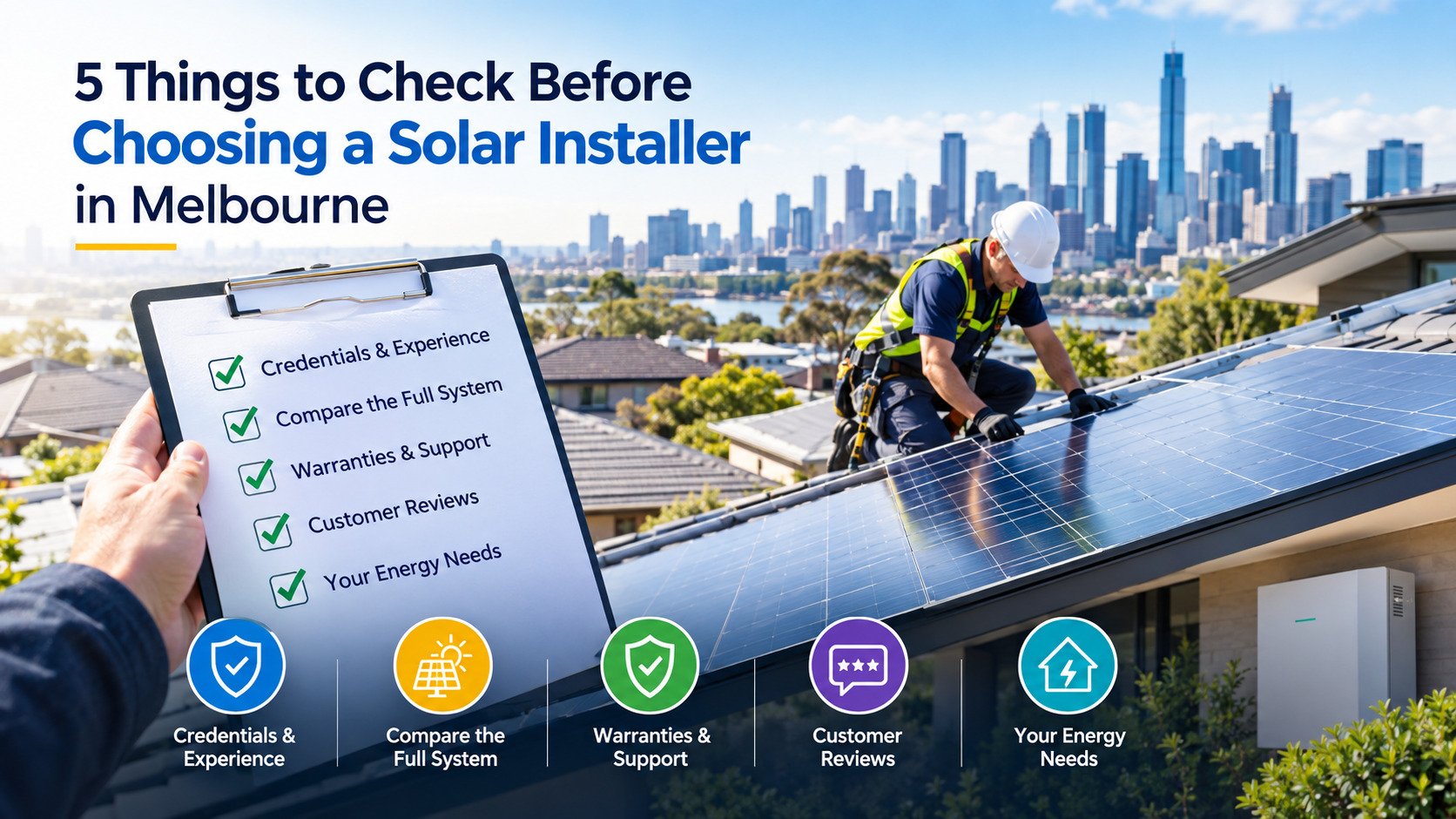
What Should You Check Before Choosing a Solar Installer in Melbourne?

Before making a decision, homeowners should check the installer’s credentials and experience, compare the complete solar system rather than just the price, understand warranties and after-sales support, research customer reviews, and make sure the proposed system is designed around their actual energy needs.

1. Check the Installer’s Credentials and Experience

Not every solar installation company approaches a project in the same way. Experience, qualifications and industry credentials can provide useful insight into whether an installer has the knowledge required to complete the work properly.

When comparing Solar Panel Installers in Melbourne, look at how long the business has been operating, what type of projects it has completed and whether its team has the appropriate qualifications and industry accreditation.

Experience can also matter when dealing with different roof designs, shading conditions, electrical requirements and system configurations. An experienced installer should be able to assess your property and explain why a particular solar solution is suitable rather than simply recommending a standard package.

It is also worth asking questions about who will actually carry out the installation. A clear understanding of the installation process can give you greater confidence before the work begins.

2. Look Beyond the Price of the Quote

Price is naturally one of the first things homeowners compare, but it should not be the only deciding factor.

Two quotes may have similar system sizes while using different panels, inverters, mounting equipment or installation specifications. One quote may also include services that another excludes.

Before comparing prices, check exactly what each quote covers, including:

  • Solar panel brand and model
  • Inverter brand and model
  • Total system capacity
  • Number of panels
  • Mounting equipment
  • Electrical work
  • Installation and commissioning
  • System monitoring
  • Any additional installation costs
  • Battery compatibility, if you may add storage later

The cheapest quote is not automatically the best-value option. A slightly higher upfront investment may offer better equipment, installation quality or support over the life of the system.

A good installer should also be willing to explain the quote in straightforward language. If you cannot understand what you are paying for, ask questions before committing.

3. Understand Warranties and After-Sales Support

Solar panels and other system components are designed for long-term use, so warranty coverage deserves careful attention.

When comparing Solar Installers Melbourne, do not look only at the length of a warranty. Find out what the warranty covers and, more importantly, who you need to contact if something goes wrong.

There can be different warranties for solar panels, inverters and installation workmanship. Understanding these differences before installation can prevent confusion later.

Ask your installer:

  • What product warranties are included?
  • Is workmanship covered separately?
  • How are warranty claims handled?
  • Who will assist if a component develops a fault?
  • Is ongoing technical support available?
  • What happens if the system needs troubleshooting?

After-sales support is often overlooked because most attention is focused on getting the system installed. However, reliable support can become extremely valuable if you ever experience a technical issue or need assistance understanding your system.

4. Research Reviews and Previous Installation Work

Online reviews can provide useful insight into how a solar company deals with real customers.

When researching the Top Solar Companies in Melbourne, do not focus only on the overall star rating. Read recent reviews and look for repeated comments about installation quality, communication, professionalism, customer service and after-sales support.

A company with hundreds of reviews can give you a broader picture than a handful of testimonials on its own website. It can also be useful to look at project images or examples of previous installations.

Pay attention to how a business responds to negative feedback as well. No company can realistically expect every customer experience to be identical, but professional and helpful responses can tell you something about how the business handles problems.

The goal is not simply to find the company with the highest rating. It is to understand whether the company consistently delivers the type of service you expect.

5. Make Sure the System Is Designed Around Your Energy Needs

Your home is not the same as your neighbour’s, so your solar system should not necessarily be identical either.

A professional installer should consider your electricity consumption, roof space, orientation, shading and daily energy usage before recommending a system.

For example, a household that uses most of its electricity during the day may have different requirements from a family that consumes more power in the evening. Future plans can also matter. If you are considering purchasing an electric vehicle or adding a battery, it may be worth discussing this before the system is designed.

A proper assessment may consider:

  • Your current electricity consumption
  • Recent electricity bills
  • Roof orientation and available space
  • Potential shading
  • Household energy habits
  • Future electricity requirements
  • Battery storage requirements
  • Potential EV charging needs

This is where a knowledgeable installer can add real value. Rather than simply selling a particular system size, they should help you understand why the proposed setup makes sense for your property.

Red Flags to Watch for Before Choosing an Installer

Knowing what to avoid can be just as important as knowing what to look for.

Be cautious if an installer:

  • Provides an unusually low quote without explaining the inclusions
  • Pressures you to sign immediately
  • Does not clearly identify the equipment being supplied
  • Gives vague answers about warranties
  • Has consistently poor or unresolved customer reviews
  • Does not appear to conduct a proper property assessment
  • Cannot explain the installation process clearly
  • Offers little information about after-sales support

A trustworthy solar company should give you enough information to make an informed decision without creating unnecessary pressure.

Why Local Experience Can Matter in Melbourne

Solar installation is not simply about putting panels on a roof. Every property has its own characteristics, and local experience can help an installer understand the practical considerations involved in Melbourne homes and businesses.

A local team may be more familiar with common property types, roof configurations, weather conditions and the expectations of customers in the area. Just as importantly, choosing a company with accessible local support can make communication easier if you need assistance after installation.

That does not mean location should be the only factor in your decision. Credentials, equipment quality, workmanship, reputation and customer service should all be considered together.

A Simple Checklist Before You Sign

Before choosing an installer, take a few minutes to ask yourself:

✓ Have I checked the installer’s experience and credentials?

✓ Do I understand exactly what is included in the quote?

✓ Have I compared the panels, inverter and other equipment?

✓ Do I understand the product and workmanship warranties?

✓ Have I read genuine customer reviews?

✓ Has the installer assessed my property and energy requirements?

✓ Do I know what after-sales support is available?

If you can answer yes to these questions, you are in a much stronger position to make an informed decision.

Choose Long-Term Value, Not Just a Low Price

Choosing a solar installer should never be based on price alone. The right decision involves looking at the complete picture—from credentials and equipment to installation quality, warranties, customer feedback and ongoing support.

If you are comparing the Best Solar Installers in Melbourne, take the time to ask questions and understand what each company is offering. A reliable installer should be transparent about the system, explain your options clearly and recommend a solution based on your property and energy requirements.

For homeowners looking for experienced Solar installers Melbourne, Suntech Synergy provides solar energy solutions designed around the needs of Melbourne homes and businesses, with a focus on quality installation, reliable systems and ongoing customer support.

What if your business is paying for electricity during the same hours when your rooftop has the greatest opportunity to generate solar power?

For many businesses, the question is not simply whether solar is worth considering. The bigger question is whether the system is properly designed around the business’s energy usage, available roof space, operating hours and future requirements.

A well-planned Commercial Solar Installation can help businesses make better use of their available space while generating renewable energy on-site. However, choosing the right system requires more than simply selecting solar panels and installing them on a roof.

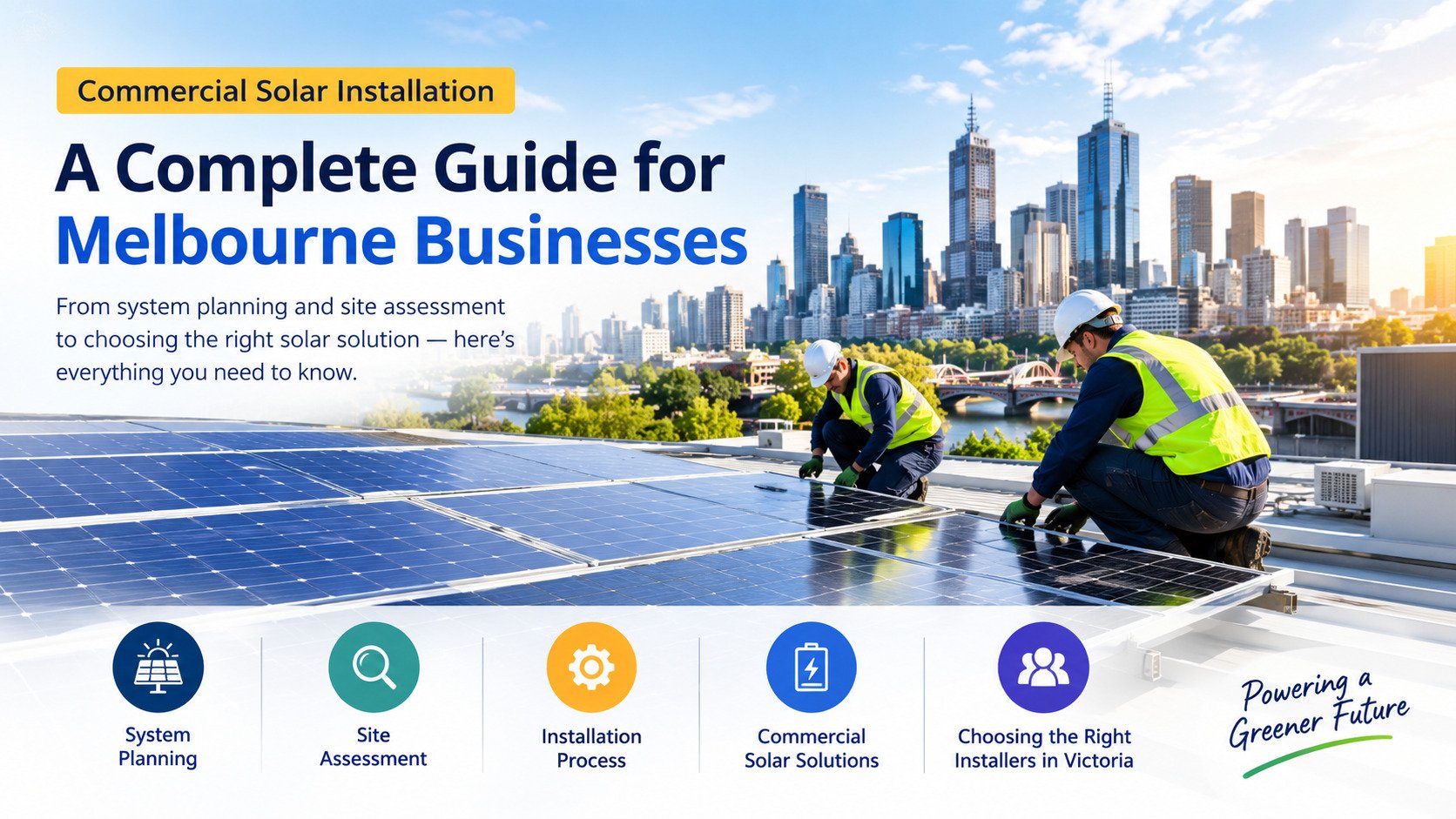
This guide explains how commercial solar works, what businesses should consider before installation, and how to approach solar for a Melbourne business.

What Is Commercial Solar Installation?

Commercial solar installation is the process of designing and installing a solar photovoltaic (PV) system for a business or commercial property. The system is planned around factors such as electricity consumption, roof space, energy usage patterns, system size and future business needs.

Unlike a residential system, a commercial solar project can involve larger energy requirements, more complex roof structures and different electrical considerations. This makes proper planning and site assessment an important part of the process.

Why Commercial Solar Requires More Than Just Solar Panels

Every business uses energy differently. An office may have consistent daytime electricity consumption, while a warehouse, retail store or industrial property may have different operating hours and equipment requirements.

Before selecting a system, businesses should consider:

  • Current electricity consumption
  • Daytime and seasonal energy usage
  • Available roof space
  • Roof orientation and condition
  • Potential shading
  • Existing electrical infrastructure
  • Future business expansion
  • Battery storage or EV charging requirements

The goal is not simply to install the biggest possible system. The goal is to develop a system that fits the business’s actual energy requirements and available site conditions.

How to Plan the Right Commercial Solar System

Understand Your Business Energy Usage

Electricity bills provide useful information about how much energy a business consumes. Looking at historical usage can help identify consumption patterns and determine how solar generation could fit into normal business operations.

Businesses should consider when most of their electricity is being used, particularly during normal operating hours.

Assess Available Roof Space

Roof size is another important consideration. A professional site assessment can help determine how much usable space is available for solar panels while taking into account roof condition, orientation, shading and other physical constraints.

Determine the Appropriate System Size

System size should be based on the business’s energy requirements, available installation area and overall project objectives. Choosing a system simply because it fits on the roof may not provide the most suitable outcome.

Consider Future Energy Requirements

A business may use more electricity in the future because of expansion, new equipment, additional premises or electric vehicle charging. Considering these requirements during the initial design can help create a more adaptable solar system.

What Happens During a Commercial Solar Installation?

A professional installation generally involves several stages.

1. Initial Consultation
The process begins by understanding the business, its energy requirements and the objectives of the project.

2. Site Assessment
The property is assessed to understand roof conditions, available space, shading, electrical requirements and other installation considerations.

3. Energy and System Assessment
Energy usage and site information are reviewed to determine an appropriate system configuration.

4. Solar System Design
The system is designed around the property’s available space and the business’s energy requirements.

5. Equipment Selection
Solar panels, inverters and other required equipment are selected based on the project requirements.

6. Installation
Qualified professionals install the solar equipment and complete the necessary electrical work.

7. Testing and Commissioning
The completed system is checked and commissioned so it can operate as intended.

8. Ongoing Support
Monitoring, maintenance and after-sales support can help businesses keep track of system performance over time.

Choosing the Right Commercial Solar Solutions

Not every business needs the same approach. The most suitable Commercial Solar Solutions depend on the property’s size, electricity consumption, operating schedule and future energy plans.

Depending on the site, a commercial solar solution may include:

  • Rooftop solar panels
  • Larger commercial PV systems
  • Solar battery storage
  • Energy monitoring
  • EV charging integration
  • Tailored system design

For example, a business with significant daytime electricity consumption may have different requirements from a business that operates primarily outside normal daylight hours.

This is why understanding the business before recommending a system is an important part of commercial solar planning.

Commercial Solar Panels in Melbourne: What Businesses Should Consider

Businesses looking at Commercial solar panels Melbourne options should consider more than panel capacity alone.

Commercial properties across Melbourne can have very different building types, roof structures and energy requirements. A suitable solar system needs to account for the individual characteristics of the property.

Businesses should consider:

  • Roof condition and usable area
  • Solar access and potential shading
  • Existing electrical infrastructure
  • Current electricity consumption
  • Future energy requirements
  • Installation access and site conditions
  • Battery storage requirements

Local businesses can also benefit from working with professionals who understand the requirements associated with commercial solar projects in Victoria.

How to Choose Commercial Solar Installers in Victoria

Choosing Commercial Solar Installers in Victoria should not be based only on the lowest installation quote.

Businesses should look for an installer that can demonstrate relevant commercial experience and provide a clear process from initial assessment through installation and ongoing support.

Before choosing an installer, consider:

  • Experience with commercial projects
  • Proper site assessment and system design
  • Qualified and appropriately accredited professionals
  • Quality solar equipment
  • Clear warranties
  • Transparent project information
  • Professional installation practices
  • After-sales service and support
  • Monitoring and maintenance options

A good commercial solar project should begin with understanding the business and property rather than starting with a standard package.

5 Common Mistakes Businesses Make When Installing Solar

1. Choosing a System Based Only on Roof Size

A large roof does not automatically mean a larger system is the right choice. Energy consumption and business requirements should also be considered.

2. Ignoring Actual Energy Usage

Without understanding when and how electricity is being consumed, it can be difficult to design a system that matches the business.

3. Focusing Only on the Initial Price

The cheapest quote may not provide the same equipment, design approach, installation quality or ongoing support as another proposal.

4. Forgetting Future Energy Needs

Business expansion, new equipment, battery storage and EV charging can change future electricity requirements.

5. Overlooking After-Sales Support

Solar is a long-term investment. Businesses should understand what monitoring, warranty assistance and ongoing support are available after installation.

Frequently Asked Questions About Commercial Solar

What is commercial solar installation?

Commercial solar installation involves designing and installing a solar PV system for a business or commercial property. The system is generally planned around electricity usage, roof space, site conditions and the business’s current and future energy requirements.

How does commercial solar work for a business?

Solar panels generate electricity from sunlight during the day. The generated electricity can be used by the business to meet its energy needs, while the system can be designed according to the property’s electricity consumption and operating requirements.

How do I choose the right commercial solar system?

Start by reviewing electricity usage, available roof space, operating hours and future energy requirements. A professional site and energy assessment can then help determine a suitable system design.

How long does commercial solar installation take?

The timeframe can vary depending on system size, property conditions, approvals, electrical requirements and installation complexity. A professional installer can provide a more accurate project timeframe after assessing the site.

Can commercial solar be combined with battery storage?

Yes. Battery storage can be considered as part of a broader energy strategy where it suits the business’s electricity usage, operating patterns and project requirements.

How do I choose commercial solar installers in Victoria?

Look for relevant commercial experience, professional system design, qualified installers, quality equipment, clear warranties and reliable after-sales support. Comparing the complete proposal rather than only the upfront price can help businesses understand what is included.

Planning Commercial Solar for Your Melbourne Business?

Commercial solar is not a one-size-fits-all investment. The right approach starts with understanding your business, analysing energy usage, assessing the property and designing a system around your specific requirements.

Whether you are considering rooftop solar, battery storage or a broader energy strategy, careful planning can make the installation process clearer and more practical.

At Suntech Synergy, we provide solar solutions for businesses across Melbourne and Victoria, with a focus on professional system planning, installation and ongoing customer support. If your business is considering solar, the first step is to understand your property’s energy requirements and explore a system designed around them.

Choosing a solar system for your home can feel exciting—until you start looking at different system sizes, panels, inverters, batteries and installation quotes. Suddenly, the simple question of “Which solar system should I buy?” becomes much harder to answer.

The right system isn’t necessarily the biggest or the cheapest. It should fit your home’s electricity usage, available roof space, property conditions and future energy plans. Whether you’re in Melbourne or another part of Victoria, taking the time to understand these factors can help you make a more informed decision.

If you’re researching Residential solar panels Melbourne or planning a residential solar project elsewhere in Victoria, here’s what you should consider before choosing your system.

1. Start With Your Household’s Electricity Usage

Before looking at solar panels, look at how much electricity your home actually uses.

Your recent electricity bills can help you understand your household’s consumption. Consider not only your current usage but also whether it could change in the future.

For example, you might be planning to:

  • Add air conditioning
  • Purchase an electric vehicle
  • Install a battery
  • Replace gas appliances with electric alternatives
  • Add other major electrical appliances

A suitable solar system should be designed around your energy requirements rather than simply choosing a package based on the number of panels.

2. Choose the Right Solar System Size

System size is one of the most important decisions when purchasing solar.

A larger system isn’t automatically better. The appropriate size depends on factors such as electricity consumption, roof space, shading, panel orientation and your future energy needs.

A professional solar assessment should consider your actual property before recommending a system.

For example, two homes may have similar electricity usage but different roof conditions. One may have plenty of unobstructed roof space, while another may have shading or limited installation areas.

That’s why a personalised system design is more useful than simply selecting a standard package.

3. Assess Your Roof Before Installing Solar

Your roof plays an important role in how a solar system can be designed.

Before Residential Solar Panel Installation, consider:

  • Available roof space
  • Roof orientation
  • Roof pitch
  • Shading from trees or nearby structures
  • Roof condition
  • Suitable areas for panel placement

Shading and available sunlight can influence solar generation, so these factors should be considered during the system design process.

If your roof requires repairs or other work, discussing this before installation can also help avoid complications later.

4. Understand the Solar Panels You’re Buying

Not all solar panels are identical.

When comparing Residential Solar Systems, look beyond the panel’s advertised price. Consider its efficiency, product warranty, performance warranty, manufacturer information and suitability for your property.

You don’t necessarily need the most expensive panel. The objective is to choose equipment that provides an appropriate balance of performance, quality and value.

It’s also useful to ask for the exact panel model included in your quote. This makes it much easier to compare different proposals rather than comparing vague descriptions such as “premium panels.”

For eligible Australian solar installations, the Clean Energy Council maintains an approved products list covering compliant PV modules, inverters and batteries.

5. Don’t Overlook the Inverter

Homeowners often spend most of their time comparing solar panels and forget about the inverter.

The inverter is an important part of a solar power system because it converts the electricity generated by the panels into a form that can be used within the property.

When comparing systems, ask about:

  • Inverter brand and model
  • Warranty
  • System compatibility
  • Monitoring features
  • Future battery compatibility

A solar system should be considered as a complete package rather than simply a collection of panels.

6. Consider Whether Battery Storage Fits Your Plans

You don’t necessarily need a battery simply because you’re installing solar.

Whether battery storage makes sense depends on your electricity usage, when your household consumes energy and your future plans.

If you use a significant amount of electricity outside solar generation hours, you may want to discuss battery storage with your installer.

Even if you’re not ready for a battery now, it can be useful to ask whether your proposed solar system can accommodate a compatible battery in the future.

This is particularly helpful if you’re thinking about changing your household’s energy setup over the coming years.

7. Choose a Professional Residential Solar Installation

The equipment is only one part of your investment. Installation quality also matters.

When comparing Residential Solar Installation providers, look at their experience, relevant accreditation, installation process, warranties and after-sales support.

The Clean Energy Council recommends that consumers research retailers and installers and check accreditation when purchasing solar and storage. The current industry framework has also expanded beyond the former Approved Solar Retailer program through the New Energy Tech Consumer Code (NETCC).

Before choosing an installer, ask:

  • Who will design the system?
  • Who will complete the installation?
  • Are the relevant installers accredited?
  • What equipment is being installed?
  • What warranties apply?
  • What support is available after installation?

These questions can help you understand what you’re actually purchasing.

8. Compare Solar Quotes Properly

Getting multiple quotes can be useful, but comparing only the final price can give you the wrong picture.

Instead, compare each proposal using the same checklist:

System size → Panel model → Inverter → Installation → Monitoring → Warranty → Additional work → After-sales support → Total cost

One quote may appear cheaper because it includes different equipment or excludes certain work.

A good quote should make it reasonably clear what equipment and services are included. The Clean Energy Council’s consumer guidance also recommends seeking multiple quotes and checking product reviews before making a decision.

9. Think About Your Future Energy Needs

A solar system is a long-term investment, so don’t think only about how your home uses electricity today.

Ask yourself:

Could my electricity usage increase in the future?

You may eventually want:

  • An electric vehicle
  • Battery storage
  • More electrical appliances
  • Additional air conditioning
  • Greater use of electricity during certain times of the day

Discussing these plans with your installer can help you understand whether the proposed system is suitable for your current and reasonably foreseeable needs.

10. Look at the Complete Value, Not Just the Price

When choosing solar, the lowest quote isn’t automatically the right choice.

Consider the complete value of the system:

Equipment quality + system design + installation + warranties + monitoring + support

A slightly different upfront price can reflect differences in equipment, installation or services included in the proposal.

The most useful question isn’t simply:

“How much does this solar system cost?”

Instead, ask:

“What am I getting for the price, and is it suitable for my home?”

That approach can make comparing solar options much easier.

Why Local Experience Can Matter

For homeowners looking at Residential solar panels Melbourne, local experience can be useful when discussing property-specific requirements, installation conditions and ongoing support.

However, you don’t need to choose a company simply because it is nearby. Look at the complete picture—experience, relevant accreditation, equipment, system design, warranties, reviews and customer support.

At Suntech Synergy, we provide residential and commercial solar energy solutions across Melbourne and surrounding Victorian areas, with services including solar panel installation, battery storage and EV charging solutions.

Our approach is to consider the property’s requirements and the customer’s energy needs when discussing a suitable solar solution rather than treating every home as the same.

Residential Solar Buying Checklist

Before making your final decision, check that you have considered:

  • ✓ Your current electricity usage
  • ✓ Future energy requirements
  • ✓ Roof size and condition
  • ✓ Roof orientation and shading
  • ✓ Solar panel specifications
  • ✓ Inverter specifications
  • ✓ Possible battery requirements
  • ✓ Installer experience and accreditation
  • ✓ Product and workmanship warranties
  • ✓ Complete installation costs
  • ✓ After-sales support

Taking a little extra time to work through these points can help you understand your options before committing to a system.

Frequently Asked Questions

1. What size residential solar system does my home need in Victoria?

The right system size depends on your household’s electricity consumption, roof space, shading, panel characteristics and future energy requirements. A site-specific assessment can help determine a suitable system rather than relying on a standard package.

2. What should I check before choosing a residential solar installer?

Check the installer’s relevant accreditation, experience, equipment, installation process, warranties and after-sales support. You should also understand exactly what is included in the quote and who will design and install the system.

3. Should I choose a solar system that is battery-ready?

If you may want battery storage in the future, discuss this with your installer before selecting your system. Understanding compatibility and your future energy requirements can help you plan a more suitable solar setup.

Final Thoughts

Choosing the right residential solar system isn’t about finding the biggest system or the lowest price. It’s about finding a solution that fits your home’s electricity usage, roof conditions, budget and future energy plans.

Take time to compare the complete system, understand the equipment, check the installation arrangements and review the warranty terms before making your decision.

Whether you’re considering Residential Solar Installation Victoria for a Melbourne home or another property across the state, a properly planned system starts with understanding what your home actually needs.

For homeowners exploring solar options, Suntech Synergy provides residential solar solutions designed around the requirements of Melbourne homes and customers across Victoria.

Buying solar panels sounds simple until you start comparing systems, prices, panel brands and installation quotes. One company may offer a cheaper package, while another recommends a different system with a higher price. So, how do you know what actually matters?

The truth is, choosing solar isn’t just about finding the cheapest quote. Your roof, electricity usage, panel quality, inverter, installation and long-term support can all affect how well your system performs. Before you make a decision, taking a closer look at these seven important factors can help you choose a solar system that genuinely suits your Melbourne home.

1. Check Your Home’s Solar Potential

Before choosing a solar system, start by understanding your property.

Roof size, orientation, pitch, shading and roof condition can all influence solar generation. Trees, neighbouring buildings and other structures may also reduce the amount of sunlight reaching your panels.

This means the same solar system won’t necessarily perform the same way on every property.

A professional assessment should consider both your roof and your household’s electricity consumption. An experienced Solar Solutions Provider in Melbourne can help identify suitable installation areas and recommend a system based on your property’s specific requirements.

It’s also worth checking your roof’s condition before installation. If repairs may be needed soon, addressing them beforehand can help avoid unnecessary complications later.

2. Look Beyond the Price of Solar Panels

Price is important, but it shouldn’t be the only factor when choosing solar panels.

Different panels can vary in efficiency, technology, warranties, degradation rates and manufacturer support. A cheaper panel may not necessarily provide the best overall value for your home.

When comparing panels, look at:

  • Panel efficiency
  • Product warranty
  • Performance warranty
  • Expected degradation
  • Manufacturer reputation
  • Panel size
  • Suitability for your roof

The goal isn’t to buy the most expensive panel. Instead, look for equipment that provides a sensible balance between quality, performance, warranty and cost.

3. Compare the Complete Solar System

Two solar quotes can look similar while offering very different equipment and services.

Don’t compare quotes based only on the final price. Check exactly what is included.

What to CheckWhy It Matters
Panel brand and modelHelps you understand the equipment quality
InverterConverts solar energy into usable electricity
System sizeShould match your energy requirements
InstallationAffects safety and system performance
MonitoringHelps track system performance
WarrantyProvides long-term protection
Additional workHelps avoid unexpected costs

When comparing Solar Energy Companies in Victoria, ask for the exact panel and inverter models rather than accepting descriptions such as “premium panels” or “high-quality system.”

Understanding the complete package gives you a much clearer basis for comparing quotes.

4. Check the Installer Before You Sign

The panels are only one part of your solar investment. Installation quality can also have a significant impact on the safety and performance of your system.

Before choosing Solar Panel Installers in Melbourne, research the company and check:

  • Relevant industry credentials and accreditation
  • Installation experience
  • Customer reviews
  • Workmanship warranty
  • Product warranties
  • After-sales support
  • Previous residential projects

A professional installer should be able to explain why a particular system has been recommended for your property.

Don’t hesitate to ask what happens after installation. If the system develops a problem, you should know who to contact and how support or warranty claims are handled.

5. Understand Your Expected Solar Generation

One common mistake is assuming that a system’s capacity automatically tells you how much electricity it will generate.

Actual solar production can vary depending on roof orientation, shading, weather, seasonal conditions, panel efficiency and system design.

For example, two homes with identical system sizes may produce different amounts of electricity because their roofs receive different levels of sunlight.

Instead of asking only, “How many panels will I get?”, ask:

“How much electricity can this system realistically generate for my home?”

Your installer should be able to explain expected performance based on your property and energy consumption.

6. Understand the Warranties

Don’t choose a solar system simply because it advertises a long warranty period. Understand what the warranty actually covers.

There are generally three important areas to consider:

Product Warranty: Covers eligible manufacturing defects or equipment faults according to the manufacturer’s terms.

Performance Warranty: Relates to the expected power output of the solar panels over a specified period.

Workmanship Warranty: Covers eligible issues related to the installation work, subject to the installer’s terms.

Before signing, ask:

  • What does each warranty cover?
  • Who provides it?
  • How do I make a claim?
  • Is after-sales support available?
  • Are there exclusions or conditions?

A clear understanding of the warranty can be just as important as the number of years advertised.

7. Think About Your Future Energy Needs

Your electricity consumption today may not remain the same in the future.

You might purchase an electric vehicle, add air conditioning, install a battery, replace gas appliances with electric alternatives or simply use more electricity as your household changes.

That’s why it’s useful to think beyond your current energy requirements.

Ask yourself:

  • Could my electricity usage increase?
  • Might I install a battery later?
  • Am I planning to buy an EV?
  • Will I add major electrical appliances?
  • Can the proposed system support my future energy needs?

Discussing these plans with your installer can help you choose a system that makes sense not only today but also for your future requirements.

How to Compare Solar Quotes in Melbourne

When you receive multiple quotes, don’t automatically choose the cheapest one.

Instead, compare the complete offering:

System size → Panel model → Inverter → Installation → Monitoring → Warranty → Additional work → After-sales support → Total price

One quote may appear cheaper because it includes different equipment or fewer services. Another may cost more because it includes different components or additional installation work.

The important question isn’t simply “Which quote is cheapest?”

It’s “What am I actually getting for the price?”

That approach can make it easier to understand the real value of each proposal.

Frequently Asked Questions

1. What should I check before choosing solar panels in Melbourne?

Check your roof’s condition, orientation and shading, your household electricity usage, panel and inverter quality, warranties, installation credentials and after-sales support. These factors can help determine whether a system is suitable for your property.

2. How should I compare solar quotes?

Compare more than the final price. Look at the exact panel and inverter models, system size, installation inclusions, monitoring, warranties, additional electrical work and after-sales support.

3. Should I consider future battery or EV requirements?

Yes. If you may install a battery, purchase an EV or increase your electricity usage in the future, discuss these plans before selecting your solar system. Future requirements can influence the system design you choose today.

Choose Your Solar System With Confidence

Buying solar panels is a long-term decision, so taking time to research your options can help you avoid choosing a system based purely on price. Check your property, understand your energy needs, compare the complete system and carefully review warranties and installation support.

If you’re planning solar installation for your Melbourne property, working with experienced Solar installers Melbourne can help you understand your system requirements, installation options and ongoing support before you make your final decision.

As electricity prices continue to rise across Australia, many homeowners are considering investing in renewable energy. One of the most common questions people ask is “Should I install solar panels first or invest in battery storage?”

If you’re planning to reduce your electricity bills and become more energy independent, understanding the difference between Solar vs Battery Storage can help you make the right decision for your home.

In this guide, we’ll explain how both systems work, their benefits, and which option provides the best value for homeowners in Victoria.


What Are Solar Panels?

Solar panels convert sunlight into electricity that powers your home during the day. Any extra electricity produced can either be exported to the electricity grid or stored in a compatible solar battery.

Installing solar panels in Victoria is one of the most cost-effective ways to reduce electricity bills while lowering your carbon footprint.

Benefits of Solar Panels

  • Lower electricity bills
  • Long-term energy savings
  • Increased property value
  • Reduced carbon emissions
  • Low maintenance
  • Excellent return on investment

For most homeowners, solar panels deliver immediate financial savings from day one.


What Is Battery Storage?

A solar battery stores the extra electricity your solar panels generate during the day. Instead of sending unused electricity back to the grid, it can be used later during the evening or on cloudy days.

A battery storage system helps maximise the amount of solar energy you consume yourself.

Benefits of Battery Storage

  • Store unused solar energy
  • Use electricity at night
  • Backup power during outages (selected systems)
  • Greater energy independence
  • Lower dependence on electricity providers

Solar Panels vs Battery Storage

Solar PanelsBattery Storage
Generate electricityStore electricity
Lower bills immediatelyUse stored energy at night
Lower upfront costHigher upfront investment
Faster return on investmentBetter long-term energy independence
Suitable for most homesBest for homes with existing solar

Which Should You Buy First?

For most homeowners in Victoria, installing solar panels first is the smartest investment.

Why?

Because solar panels immediately begin generating electricity and reducing your electricity bills. Once your system is producing enough energy, you can later add a solar battery to increase your savings even further.

If your budget allows only one investment today, solar installation usually offers a quicker financial return than battery storage alone.


When Should You Buy Battery Storage First?

Battery storage may be the better option if:

  • You already have solar panels installed.
  • You experience frequent power outages.
  • Most of your electricity is used during the evening.
  • You want greater energy independence.
  • You’re planning for long-term energy security.

Can You Add a Battery Later?

Yes.

One of the biggest advantages of installing solar panels first is that most modern systems can be upgraded with a compatible battery storage system later.

Many homeowners choose this approach because it spreads the investment over time while still allowing them to benefit from immediate energy savings.


Which Option Saves More Money?

If your goal is simply reducing electricity bills, solar panels generally provide the fastest return on investment.

If your goal is energy independence, backup power, and maximising self-consumption, adding a solar battery later provides even greater long-term value.

The ideal solution for many Victorian homes is a combination of both.


Why Choose a Professional Solar Installer?

Choosing an experienced solar installer in Victoria ensures your system is correctly designed for your household’s energy usage.

A professional installer can help you:

  • Choose the right solar system size
  • Recommend the best battery option
  • Maximise available government incentives
  • Ensure safe and compliant installation

Final Thoughts

When comparing Solar vs Battery Storage, there isn’t a one-size-fits-all answer.

For most Victorian homeowners, installing solar panels first offers the quickest financial return and immediate savings on electricity bills. Once your system is established, adding battery storage can further increase your energy independence and long-term savings.

If you’re unsure which option is best for your home, speaking with a trusted solar installer in Victoria can help you choose the right solution based on your energy usage and budget.


Frequently Asked Questions (FAQs)

1. Should I install solar panels or a battery first?

For most homeowners, solar panels should be installed first because they provide immediate savings and a faster return on investment.

2. Can I add a battery to my existing solar system?

Yes. Most modern solar panel systems can be upgraded with a compatible battery later.

3. Is battery storage worth it in Victoria?

Battery storage is a great investment for homeowners who use more electricity at night or want greater energy independence.

4. Do I need solar panels before installing a battery?

In most cases, yes. A battery works best when paired with a solar panel system that generates electricity during the day.

As electricity prices continue to rise, more homeowners are asking one important question: Is a Solar Battery Worth It in Victoria in 2026? If you already have solar panels in Victoria or are planning a new installation, adding a solar battery can help you store excess energy, reduce electricity bills, and become less dependent on the power grid.

In this guide, we’ll explain how solar battery storage in Victoria works, its benefits, costs, and whether it’s the right investment for your home.


What Is a Solar Battery?

A solar battery stores the extra electricity your solar panels generate during the day. Instead of sending unused energy back to the grid, the battery stores it so you can use it later, especially during the evening or when solar panels aren’t producing electricity.

For homeowners in Victoria, this means greater energy independence and better use of the electricity generated by your solar system.


Benefits of Installing a Solar Battery in Victoria

Lower Electricity Bills

One of the biggest advantages of installing a solar battery in Victoria is reducing your dependence on grid electricity. Instead of buying expensive electricity during peak hours, you can use the energy stored in your battery.

Better Energy Independence

A home battery storage system allows you to use more of your own renewable energy and rely less on electricity providers.

Backup Power During Outages

Many modern solar battery systems offer backup power capabilities, helping keep essential appliances running during unexpected power outages.

Maximise Your Solar Investment

Without a battery, much of your excess solar energy is exported back to the grid. With solar battery storage, you can use more of the energy your system generates and increase your overall savings.

Environmentally Friendly

Using stored renewable energy helps reduce carbon emissions and supports a cleaner, greener future for Victoria.


Is a Solar Battery Worth the Cost?

The value of a solar battery depends on several factors, including:

  • Your daily electricity usage
  • The size of your solar system
  • Electricity prices in Victoria
  • Feed-in tariff rates
  • Battery size and capacity

For households with higher evening electricity usage, a residential solar battery can provide significant long-term savings.


Should You Buy Solar Panels or a Battery First?

If you don’t already have a solar system, it’s generally recommended to install solar panels first. Solar panels provide the quickest return on investment by reducing your electricity bills immediately.

Once your solar system is generating enough electricity, you can add a solar battery later to maximise your energy savings.


Who Should Consider a Solar Battery?

A solar battery in Victoria is ideal for homeowners who:

  • Have existing solar panels
  • Use more electricity during evenings
  • Want greater energy independence
  • Experience frequent power outages
  • Want to reduce long-term electricity costs

Choosing the Right Solar Battery

When selecting the best solar battery in Victoria, consider:

  • Battery capacity
  • Warranty period
  • Brand reputation
  • Charging efficiency
  • Installation quality
  • Future energy requirements

Working with an experienced solar installer in Victoria ensures you choose the right battery for your home’s energy needs.


Final Thoughts

So, is a Solar Battery worth it in Victoria in 2026? For many homeowners, the answer is yes. While batteries require an upfront investment, they offer greater energy independence, lower electricity bills, and better use of your solar energy over the long term.

If you’re planning to invest in solar panels and battery storage in Victoria, speaking with a trusted solar expert can help you choose the right solution for your home.


Frequently Asked Questions (FAQs)

1. Is a solar battery worth buying in Victoria?

Yes, if you use most of your electricity during evenings or want greater energy independence, a solar battery can help reduce long-term electricity costs.

2. Can I add a battery to my existing solar system?

Yes. Most existing solar panel systems can be upgraded with a compatible solar battery.

3. How long does a solar battery last?

Most quality solar batteries have a lifespan of 10–15 years, depending on the brand and usage.

4. Does a solar battery work during a power outage?

Some battery systems offer backup power functionality, but this depends on the battery model and installation setup.

With electricity prices continuing to rise across Australia, Victoria Solar Rebates 2026 have become one of the biggest reasons homeowners are switching to renewable energy. If you’re planning to install solar panels in Victoria, understanding the available rebates and incentives can significantly reduce your installation costs while helping you save on electricity bills for years to come.

What Are Victoria Solar Rebates?

Solar Rebates Victoria are government incentives designed to encourage homeowners to invest in clean and renewable energy. These rebates help reduce the upfront cost of installing a home solar system in Victoria, making solar energy more affordable for families.

Whether you’re installing solar for the first time or upgrading your current system, the available government solar rebates in Victoria can help you maximise your return on investment.

Benefits of Installing Solar Panels in Victoria

Choosing solar panels in Victoria offers several long-term advantages:

  • Lower monthly electricity bills
  • Increased property value
  • Reduced carbon footprint
  • Energy independence
  • Long-term savings
  • Protection against rising electricity prices

Many homeowners are choosing residential solar in Victoria because it provides reliable clean energy while lowering ongoing household expenses.

Who Can Apply for Solar Rebates?

Eligibility requirements may vary depending on the current government program. Generally, applicants should:

  • Own an eligible residential property
  • Install the system through an approved solar installer
  • Use approved solar products
  • Meet any applicable rebate conditions

Working with an experienced solar installer in Victoria ensures your installation meets all required standards.

Why Install Solar in 2026?

The demand for solar installation in Victoria continues to grow as energy prices increase. Installing a quality solar system in 2026 allows homeowners to take advantage of available incentives while reducing long-term electricity costs.

With the right solar solution, many households can recover their investment over time through ongoing energy savings.

Choose the Right Solar Installer

Selecting the best solar installer in Victoria is just as important as choosing quality solar panels. An experienced installer can recommend the ideal system size, ensure proper installation, and help you understand available rebate opportunities.

Final Thoughts

If you’re considering switching to solar, Victoria Solar Rebates 2026 make it an excellent time to invest. By installing a high-quality home solar system in Victoria, homeowners can reduce electricity bills, increase energy efficiency, and contribute to a greener future.

Enquiry Now